Online purchases only.
Online purchases only.
Online purchases only.
Online purchases only.
Online purchases only.
Online purchases only.
Online purchases only.
Online purchases only.
Online purchases only.
Online purchases only.
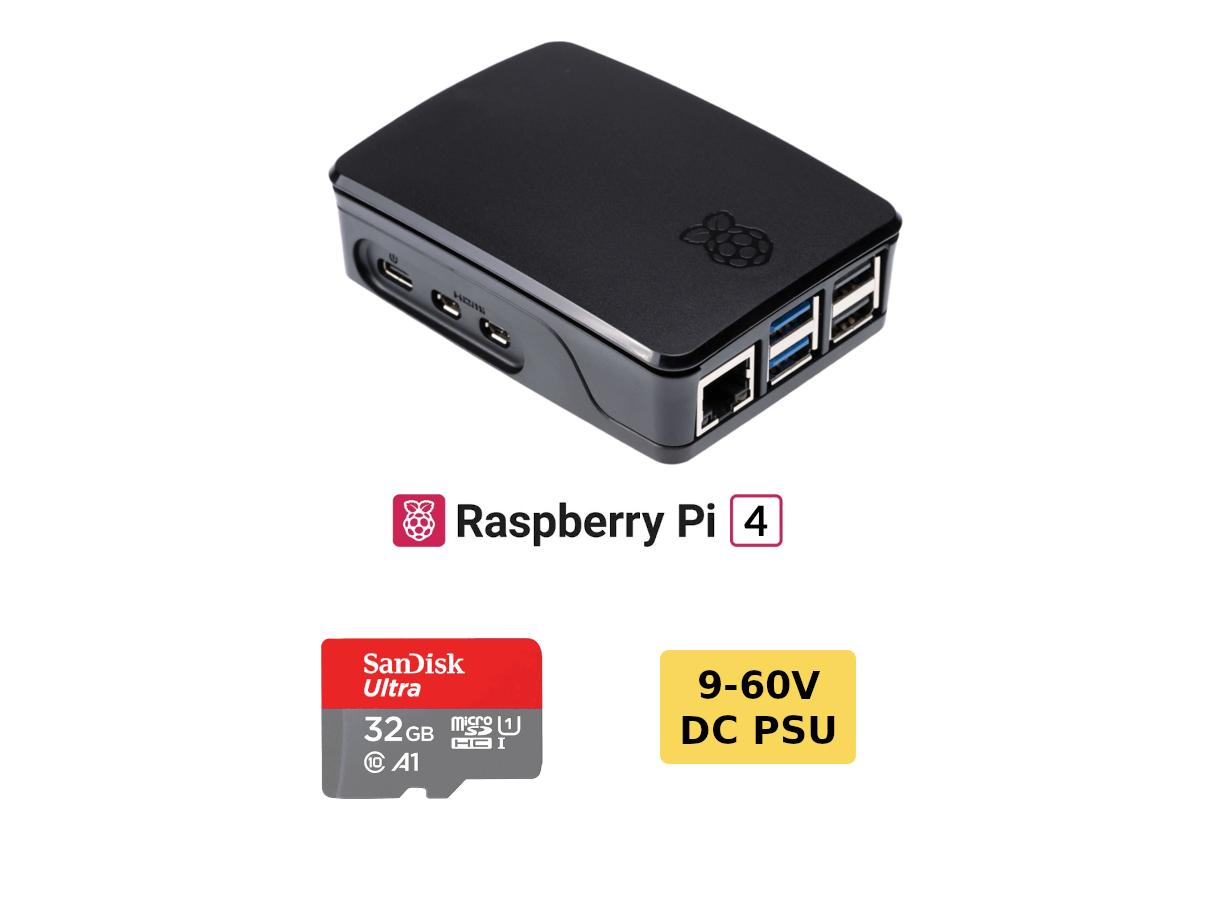
SolarAssistant installed on a Raspberry Pi 4, assembled and ready to start monitoring. It's the easiest way to get started.
One-time purchase, including lifetime software updates, with no monthly fees.
Depending on your inverter or battery, you may also need a cable. The guide for your inverter or battery says which one.
To set it up, follow the guide for your network setup:
A free 30-day trial is also available on your own hardware: see the getting started guide.
Fully assembled and ready to use
The Raspberry Pi 4 is more than fast enough for SolarAssistant to monitor a large amount of solar hardware at the same time. If you want to run the interactive kiosk, we recommend the Raspberry Pi 5.
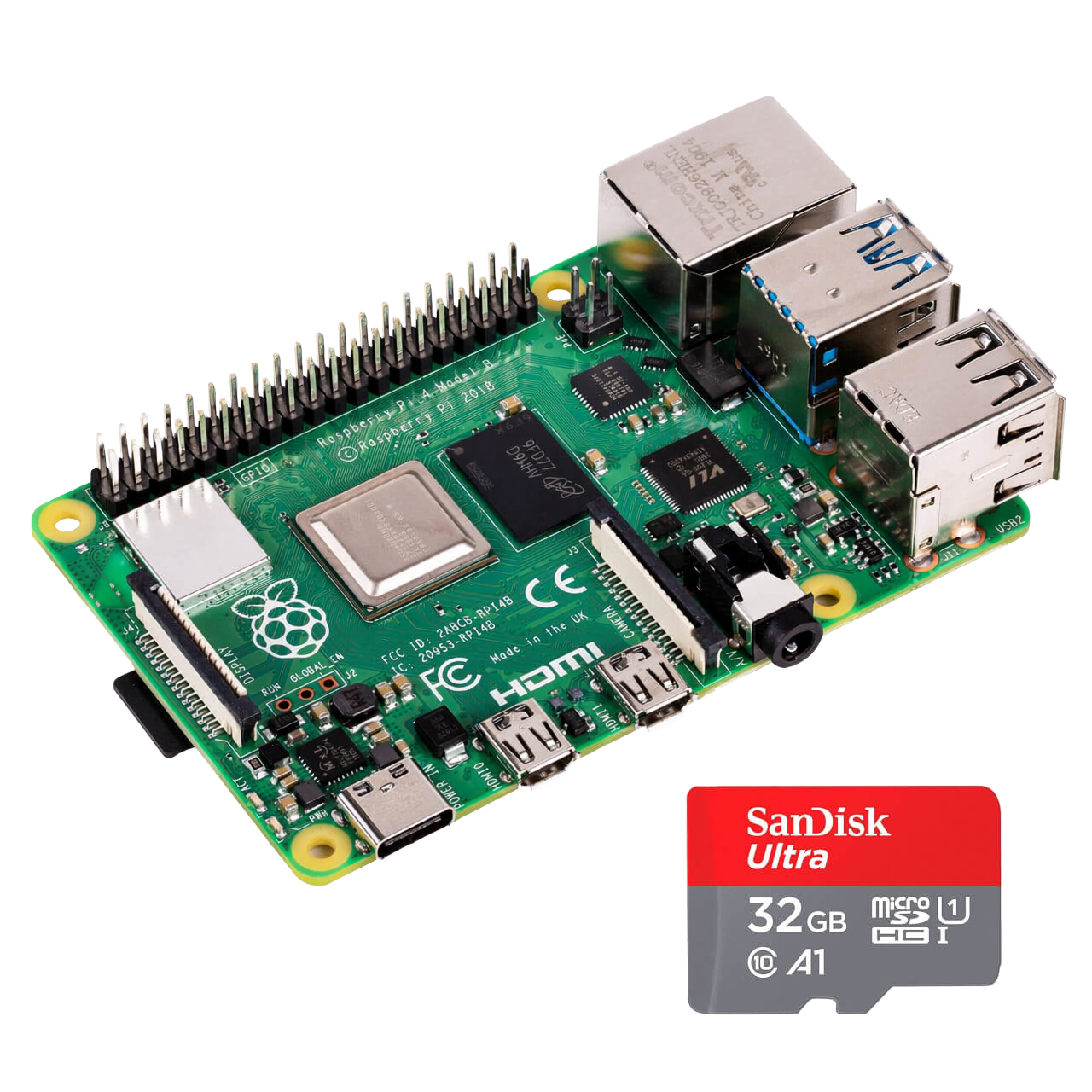
Raspberry Pi 4
- 1.8GHz Quad-core 64-bit processor
- SanDisk Ultra 32GB SD card
- 4x USB 2.0 ports
- 2.4GHz and 5GHz WiFi
- Ethernet and Bluetooth
- Full HD micro HDMI output
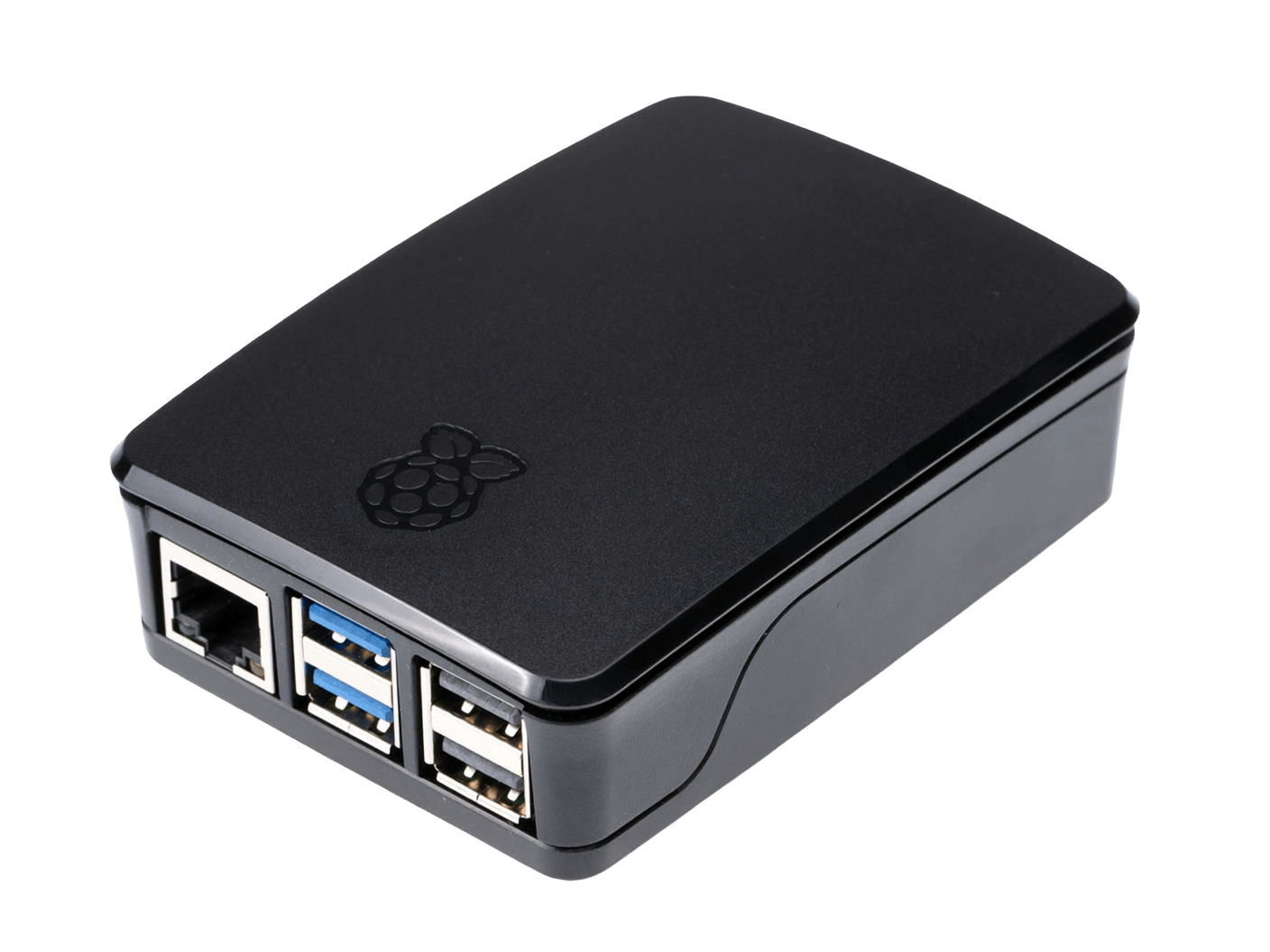
Official Raspberry Pi enclosure
The official enclosure created by the Raspberry Pi Foundation. Small ventilation slots on the bottom of the enclosure with rubber feet to slightly raise the unit to improve cooling.
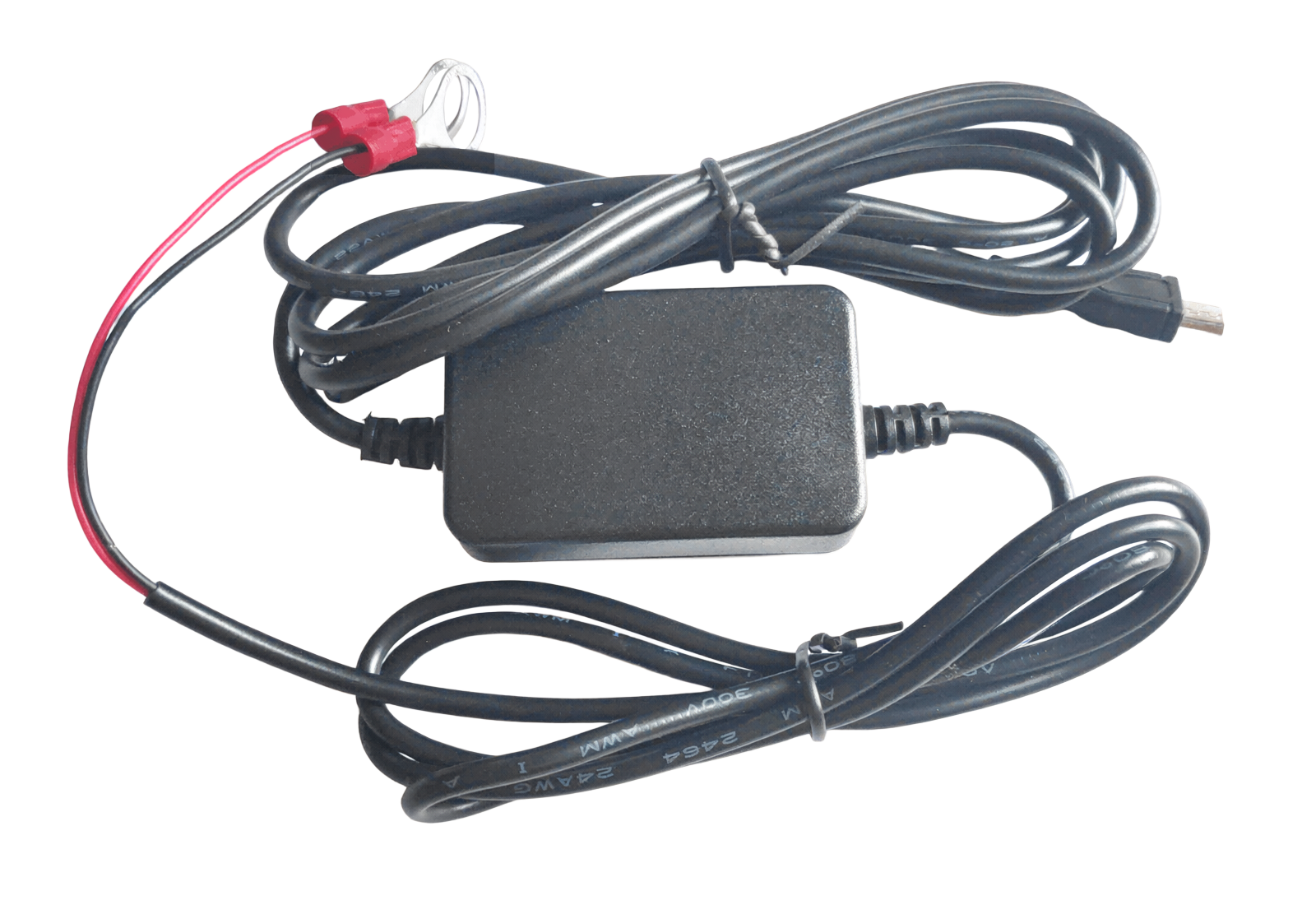
9-60V DC USB power supply (Option A)
This power supply powers your SolarAssistant device directly from your battery. It allows uninterrupted monitoring even if the inverter goes into fault mode or disconnects its AC output at the low battery cut-off.
- Suitable for 12V, 24V and 48V batteries
- 9-60V DC input via ring connector (10mm diameter)
- 5V 3A USB type C output
- Length: 2.5m
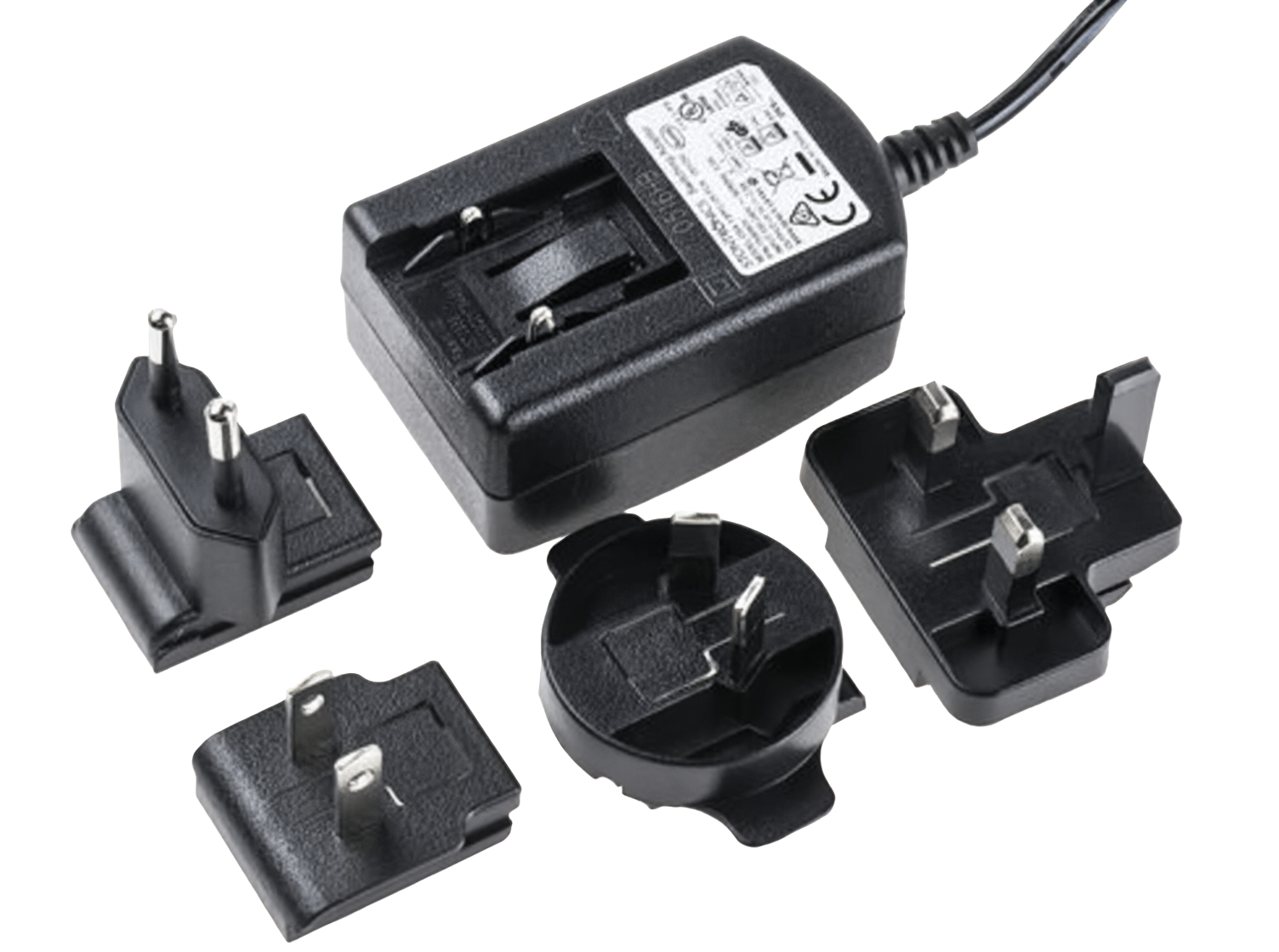
Official Raspberry Pi power supply (Option B)
A high quality 3A power supply is important for stable 24/7/365 operation as voltage dips can cause USB errors. This power supply includes four interchangeable mains adaptors for Europe/South Africa, UK, Australia and United States.